Enemy Directory
Every enemy we have broken down so far. Pick one to see exactly how it works: how it notices you, how it keeps track of you and how it fights, worked out from Paleblood's decompiled code and our own test runs.
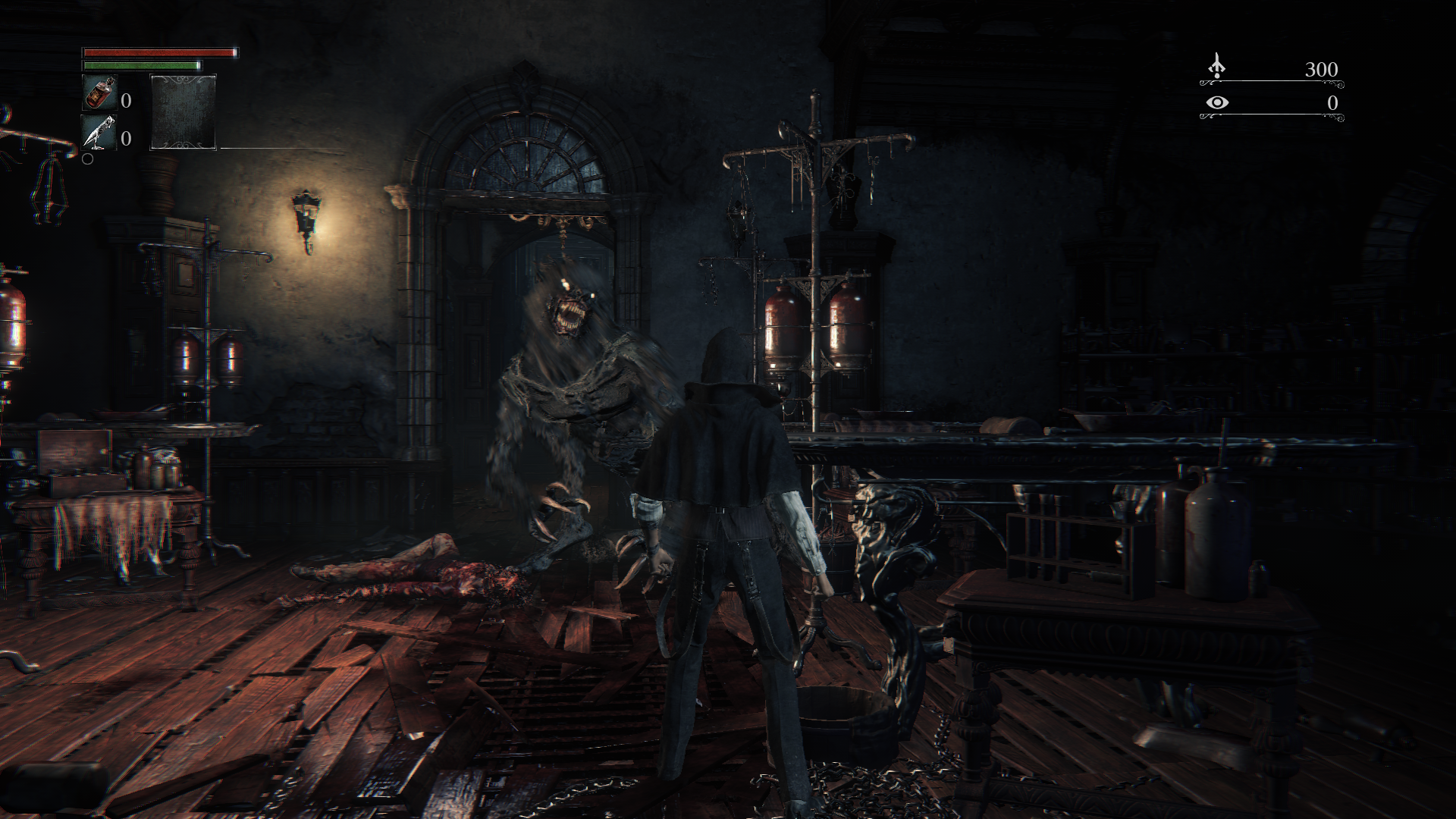
An enemy gets a page here only once Paleblood has decompiled and checked the code behind it, so the list grows in the order the game introduces its enemies, starting in Iosefka's Clinic and Central Yharnam. The pictures are drawn by Paleblood's own renderer. How Enemy AI Works explains what every enemy shares.
How these pages are written
Each page starts with a short overview and a box of plain facts, then explains the enemy's senses, how it keeps track of you and how it fights: first in a sentence or two, then the exact rules, with the functions behind them. Its tips and trivia follow only from those rules.
Every rule carries a label saying how we know it: confirmed in the game's code, tested on examples only, seen in our test runs, our reading of the code, or read from the game's script. Nothing is filled in from guesswork or from other wikis, and no stat tables are published. If a rule is unknown, the page says so and names the evidence that would settle it.
What this page can and cannot claim
Every claim in this section is labelled by the kind of evidence behind it.
| Label | Meaning |
|---|---|
| observed | Seen during play or in a recording, with its context: starting state, player position and actions, the visible change, and whether it repeats. |
| inferred | A conclusion drawn from code or tests, stated with the scope that evidence covers. |
| unknown | Not yet traced. It stays an open question, with the evidence needed next. |
- Observation is not implementation. An animation, health-bar change, phase transition, hit reaction, movement, or line of dialogue can be observed. On its own it does not identify an entity ID, function, data field, condition, timer, probability, script, or internal state.
- No guessing. Nothing is filled in from genre convention, a gameplay impression, animation timing, or a displayed bar. Visually similar actions are not assumed to share code. No guessed names, IDs, catalogs, or numerical tables are published.
- What a source claim needs. The entity, the function and address, the data or state it reads, the result it produces, public Paleblood source at the exact merged revision, tests, and independent review.
- Evidence kinds differ. Recorded original-game behavior, static analysis, synthetic Paleblood tests, and verified replacements are different kinds of evidence. A link to one does not prove the others.
- Tests have a scope. Passing tests support equivalence on the cases they cover, not untested gameplay situations. Timing and probability claims need measurements or directly verified logic, not a single encounter.
- Shared systems are not specific actors. Code that every enemy runs does not, on its own, say what one enemy does. An enemy page ties shared code to one actor only through a recorded run of that encounter, and says so.
- Absence is not a claim about the game. A missing profile describes the project's research, not what the game contains.
See Evidence & Media Review for how this wiki labels evidence.